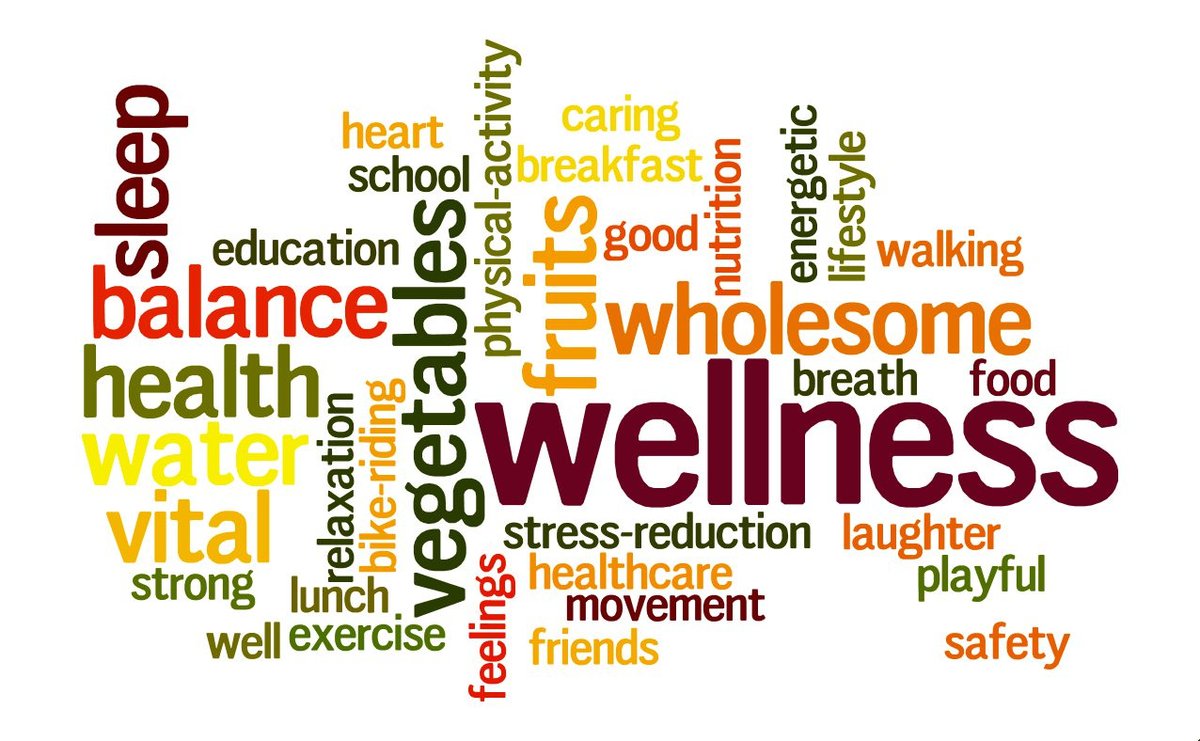
Positive Affirmations
Content about Positive affirmations (Auto-generated fallback due to API error).
For the bigger picture and full context, make sure you read our main guide on Mental Health Affirmations: Daily Statements for a Positive Mindset.
markdown
Feeling overwhelmed? It's easy to get caught in cycles of negative thinking, especially when life throws curveballs. But what if you could gently nudge your mindset towards a more positive and resilient state through simple, repeated statements? That's the power of wellness affirmations.
At a glance:
- Discover how wellness affirmations can rewire your thought patterns for better mental and emotional health.
- Learn to craft affirmations that resonate with your specific needs and challenges.
- Explore practical ways to integrate affirmations into your daily routine for maximum impact.
- Understand the limitations of affirmations and when to seek professional support.
- Get actionable tips for making affirmations a sustainable part of your self-care practice.
What Are Wellness Affirmations, Exactly?
Wellness affirmations are positive statements you repeat to yourself regularly. Unlike generic positive thinking, they target specific areas of your well-being, like stress management, self-esteem, or emotional resilience. They’re designed to counteract negative thought patterns and reinforce a healthier, more balanced mindset. Think of them as mental vitamins, nourishing your mind with positive reinforcement.
The Science-Backed Power of Positive Self-Talk
While it might seem simplistic, research suggests that affirmations can actually rewire your brain. Repetition of positive statements activates areas associated with self-worth and reward, ultimately making those positive thoughts more accessible and automatic. This doesn't mean affirmations magically erase problems, but they can significantly shift your perspective and emotional response. More on mental health affirmations.
Wellness Affirmations vs. Generic Positive Thinking: What's the Difference?
The key difference lies in focus and specificity. Generic positive thinking might be like saying, "Everything will be okay." While well-intentioned, it lacks depth. Wellness affirmations, on the other hand, are tailored to your specific needs. For example, instead of "I am successful," a wellness affirmation might be, "I am capable of handling today's tasks with clarity and ease," if you are struggling with work-related stress.
Crafting Affirmations That Resonate
Creating effective affirmations requires a bit of self-reflection. Consider these steps to personalize your affirmations:
- Identify Your Challenges: Pinpoint the specific areas where you struggle with negative thoughts or feelings. Are you prone to anxiety, self-doubt, or negative body image?
- Flip the Script: Take those negative thoughts and phrase them in a positive, present-tense statement. For instance, if you often think, "I'm not good enough," try "I am worthy of love and respect just as I am."
- Keep it Simple and Believable: Overly grandiose affirmations can feel inauthentic and backfire. Start with statements that feel slightly challenging but still within the realm of possibility.
- Add Emotion: Infuse your affirmations with genuine feeling. Visualize yourself embodying the qualities you're affirming. This makes the affirmations more powerful and impactful.
Example:
- Negative Thought: "I always mess things up."
- Wellness Affirmation: "I am learning and growing from my mistakes. I trust in my ability to rebuild after setbacks."
Tailoring Affirmations to Specific Wellness Needs
Wellness encompasses various aspects of your life. Here are some examples of affirmations tailored to different areas:
- Stress Management: "My breath anchors me to calm," "I release the need to control everything."
- Self-Esteem: "I am proud of who I am becoming," "My worth is not tied to my productivity or achievements."
- Emotional Resilience: "I am allowed to feel and release my emotions without judgment," "This feeling is temporary. It will pass."
- Physical Health: "My body is strong and resilient," "I nourish my body with healthy choices."
Making Affirmations a Daily Habit
Consistency is key to reaping the benefits of wellness affirmations. Here are some practical tips to integrate them into your daily routine:
- Morning Ritual: Start your day with a few minutes of affirmation practice. Saying them aloud in front of a mirror can be especially powerful.
- Anchor to Existing Habits: Tie affirmations to activities you already do daily, like brushing your teeth or making coffee.
- Use Visual Reminders: Write your affirmations on sticky notes and place them in visible locations, such as your bathroom mirror, computer screen, or car dashboard.
- Journaling: Incorporate affirmations into your journaling practice. Write them down multiple times, reflecting on their meaning and how they relate to your life.
- Use Technology: Set reminders on your phone to repeat your affirmations throughout the day. Apps can also help you track your progress and stay motivated.
A Quick Start: 7-Day Affirmation Challenge
Kickstart your affirmation practice with this simple challenge:
- Day 1: Choose 2-3 affirmations that resonate with you.
- Day 2: Repeat these affirmations aloud each morning and evening.
- Day 3: Write each affirmation down 5 times in a journal.
- Day 4: Pay attention to how the affirmations make you feel throughout the day.
- Day 5: Identify any negative thoughts that arise and challenge them with your affirmations.
- Day 6: Share your affirmations with a trusted friend or family member.
- Day 7: Reflect on the week and adjust your affirmations as needed.
Addressing Common Challenges
- "I don't believe my affirmations." That's normal, especially at first. Start with affirmations that feel almost believable and gradually increase the intensity as you progress. Focus on the intention behind the affirmation, even if you don't fully believe it yet.
- "I keep forgetting to do my affirmations." Use visual reminders and tie them to existing habits. Keep it simple by starting with just one or two affirmations.
- "Affirmations aren't working for me." Re-evaluate your affirmations. Are they truly addressing your needs? Are they too generic? Also, be patient. It takes time to rewire your thought patterns.
When to Seek Professional Support
Affirmations are a powerful tool for enhancing well-being, but they're not a substitute for professional help. If you're struggling with persistent anxiety, depression, or other mental health challenges, seek guidance from a therapist or counselor. Affirmations can be a valuable complement to therapy, but they shouldn't be used as a replacement. If you are experiencing significant distress, please speak with a mental health professional.
Quick Answers: Common Questions About Wellness Affirmations
Q: Can affirmations fix serious mental health issues?
A: No. They are tools to support mental well-being, not replace professional treatment.
Q: Are affirmations a form of "toxic positivity?"
A: They can be if used to suppress or deny negative emotions. Healthy affirmation practice acknowledges challenges while fostering a more positive mindset.
Q: How long does it take to see results from affirmations?
A: It varies. Some people notice subtle shifts in their thinking and mood within a few days, while others may require several weeks or months of consistent practice.
Q: Can I use affirmations for other people?
A: Affirmations are most effective when personalized and self-directed. Encouraging words are great, but forcing affirmations on someone else is counterproductive.
Your Personalized Wellness Affirmation Playbook
Ready to take charge of your mental well-being? Here's a simple decision tree to guide your practice:
- Step 1: Identify a challenge you're facing (e.g., stress at work).
- Step 2: Reframe the challenge into a positive, present-tense statement (e.g., "I am capable of managing my workload effectively").
- Step 3: Choose 1-2 affirmations based on that statement.
- Step 4: Integrate those affirmations into your daily routine (morning, evening, or during moments of stress).
- Step 5: Track your progress and adjust your affirmations as needed.
Wellness affirmations are more than just words; they're a pathway to a healthier, more resilient you. By incorporating them into your daily life, you can cultivate a positive mindset and unlock your inner strength.