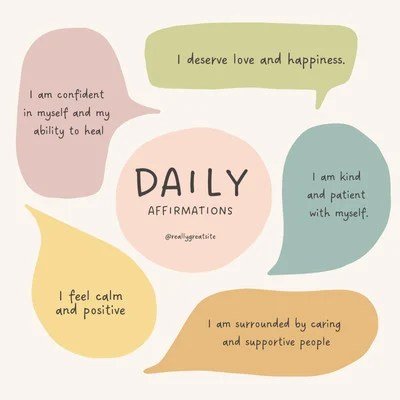
Positive Affirmations
Content about Positive affirmations (Auto-generated fallback due to API error).
Do you ever find yourself caught in a loop of negative thoughts? Mental health affirmations can be a powerful tool to interrupt that cycle and cultivate a more positive and resilient mindset. They're simple statements, repeated regularly, designed to challenge negative thinking and promote self-belief.
At a glance:
- Mental health affirmations are positive statements repeated to improve mindset.
- They can help manage anxiety, social anxiety, and symptoms of depression.
- Consistency is key; daily practice yields the best results.
- Affirmations are not a cure-all but a helpful addition to comprehensive mental healthcare.
- They bolster self-esteem, confidence, and overall well-being.
What are Mental Health Affirmations?
Mental health affirmations are positive statements you repeat to yourself, often daily, to challenge negative thoughts and boost self-esteem. Think of them as mental workouts, strengthening your ability to focus on the good and build a more optimistic outlook. The CDC recognizes that good mental health is essential in all stages of life. By consciously replacing negative thoughts with positive ones, you can foster a happier and more confident you.
How Affirmations Work: Rewiring Your Brain
The power of affirmations lies in repetition. Regular practice helps to reprogram your subconscious mind, gradually replacing negative thought patterns with positive ones. This doesn't happen overnight, but with consistent effort, affirmations can become a powerful tool for managing stress and anxiety.
Affirmations and Anxiety Reduction
Anxiety often stems from negative thought patterns. Affirmations can promote calmness by interrupting those patterns. By replacing anxious thoughts with positive statements, you can increase your self-worth and confidence. Over time, regular practice may lead to instinctively ignoring negative thoughts and reacting more positively.
- "I release all anxiety and embrace calmness and peace."
- "I am capable of managing my thoughts and feelings, and I choose to focus on positivity and joy."
- "My mind is clear and calm, and I am in control of my emotions."
Affirmations for Social Anxiety
Social anxiety can make everyday interactions feel overwhelming. [Try these positive affirmations] to help you feel more comfortable in social situations. These affirmations can be used as part of your daily stress management routine or in real-time during social events to ease anxieties and promote a sense of calm.
- "I am worthy of love and connection just as I am. I am enough."
- "My worth is not based on the opinions or judgments of others."
- "I am confident in social situations and feel at ease around others."
Reciting these affirmations can counter negative self-talk and promote positive energy. This practice retrains the subconscious mind, shifting your perspective from negative to positive, essentially "softening" the underlying anxiety and fear. This, in turn, can boost self-esteem and make social situations feel less threatening.
Affirmations for Depression
Affirmations are not a substitute for therapy or medication, but they can be a valuable addition to your treatment plan. [Affirmations & Depression: A Link] shows how adding positivity to your daily life can support your overall well-being. They can boost self-esteem, lift your mood, and help reduce symptoms of depression.
- "I am worthy of love and respect, and I choose to surround myself with people who treat me well."
- "I am capable of overcoming any challenge that comes my way."
- "I am grateful for the little things in life, and I focus on the positive aspects of every situation."
While affirmations can't cure depression, they can help create a more positive mindset and challenge negative beliefs. It’s important to acknowledge that when you're feeling sad or experiencing self-doubt, practicing affirmations can be challenging. But the more you integrate affirmative thoughts, the more they can become ingrained, leading to positive reactions in triggering situations. Affirmations can also promote self-love, excitement, and hope for the future.
The Power of Motivational Statements
Research shows that motivational affirmations, when combined with other treatments, can improve self-esteem in individuals with mental health conditions. And improved self-esteem can, in turn, improve mental health.
Examples of motivational affirmations include:
- "I am getting better every day."
- "I am strong."
- "I am confident."
[Try these: Six Affirmations for Mental] clarity and strength in your daily life. These statements can promote focus during stressful times and help you stay on track toward your goals. Creating a daily practice can rewire the subconscious mind to choose positive thoughts, offering a fresh perspective and helping you focus on your strengths.
Confidence-Boosting Affirmations
A little confidence can go a long way. Try these affirmations to boost your belief in yourself:
- "I am confident in my abilities and trust that I can handle anything that comes my way."
- "I am worthy of love and respect just as I am."
- "I am capable of achieving my goals and dreams."
The Benefits of a Daily Affirmation Practice
Self-affirmation serves as a reminder of your inherent worth, beauty, and deservingness of love and healthy relationships. Research suggests that affirmations can improve your reactions to stress by shifting your focus and enhancing your problem-solving skills. Studies also show that motivational affirmations can significantly boost overall confidence. For instance, individuals making positive life changes may find that reciting affirmations focused on self-love is particularly helpful. Remember, it may take time to see significant changes, but the effects can be profound when these statements naturally integrate into your subconscious mind.
Healing Affirmations for Emotional Well-being
[Heal with positive affirmations] that support your journey toward emotional recovery. Healing affirmations and positive thoughts work by solidifying the belief that healing is possible, which in turn may help individuals take steps to reduce stress in their lives and practice self-care. If you wish to heal from emotional trauma, reciting affirming statements may help you build strength and confidence from within.
Examples of healing affirmations:
- "I am worthy of love and compassion, especially from myself."
- "I release all negative thoughts and replace them with positive, uplifting ones."
How Affirmations Aid in Mind and Body Healing
Affirmations can neutralize negative self-talk and lower stress levels. Repeating affirmations allows the subconscious to absorb positive beliefs, promoting overall well-being.
Here are more examples:
- “I am worthy.”
- “Today, I will accept life as it comes.”
- “I am healthy in mind and body.”
Practicing affirmations can also aid in managing mental health issues, such as anxiety. They assist in committing to improving your emotional well-being. By consciously changing constant negative thinking and actively looking for the good in situations, you can help restore feelings of happiness and hope.
Crafting Your Own Affirmations
While using pre-written affirmations can be a great starting point, creating your own can make the process even more powerful. When you tailor your affirmations to your specific needs and goals, they resonate more deeply and are more likely to be effective.
Here are some tips for crafting your own affirmations:
- Make them personal: Use "I" statements.
- Be specific: Focus on what you want to achieve or change.
- Use positive language: Avoid negative words like "not" or "don't."
- Keep them short and easy to remember: The easier they are to recall, the more likely you are to use them.
- Write them in the present tense: This helps to create a sense of immediacy and belief.
For example, instead of saying "I want to be less anxious," try "I am calm and confident in all situations."
Frequently Asked Questions About Mental Health Affirmations
Here are some common questions about using affirmations for mental well-being:
Do affirmations really work? Yes, but they're not magic. They work best when combined with other self-care practices and, if needed, professional mental health support.
How often should I repeat affirmations? Aim for daily practice. Consistency is key.
What if I don't believe my affirmations? That's normal! Keep practicing, and over time, you'll start to believe them more. [Build your positive vocabulary] and select affirmations that resonate with you.
Can affirmations replace therapy or medication? No. Affirmations are a complementary tool, not a replacement for professional help.
Taking Action: Integrating Affirmations into Your Daily Life
Affirmations become truly powerful when integrated into your daily routine. There are many ways to incorporate them:
- Morning Routine: Start your day by reciting your affirmations aloud or writing them down.
- Throughout the Day: Repeat them silently to yourself during moments of stress or anxiety.
- Before Bed: Reflect on your affirmations as you fall asleep.
- Use visual reminders: Write your affirmations on sticky notes and place them where you'll see them often.
- Set reminders on your phone: Schedule reminders to pop up throughout the day, prompting you to recite your affirmations.
Most importantly, be patient with yourself, and remember that even small steps toward a more positive mindset can make a big difference over time. Remember to select [wellness affirmations] that fit you and your life.