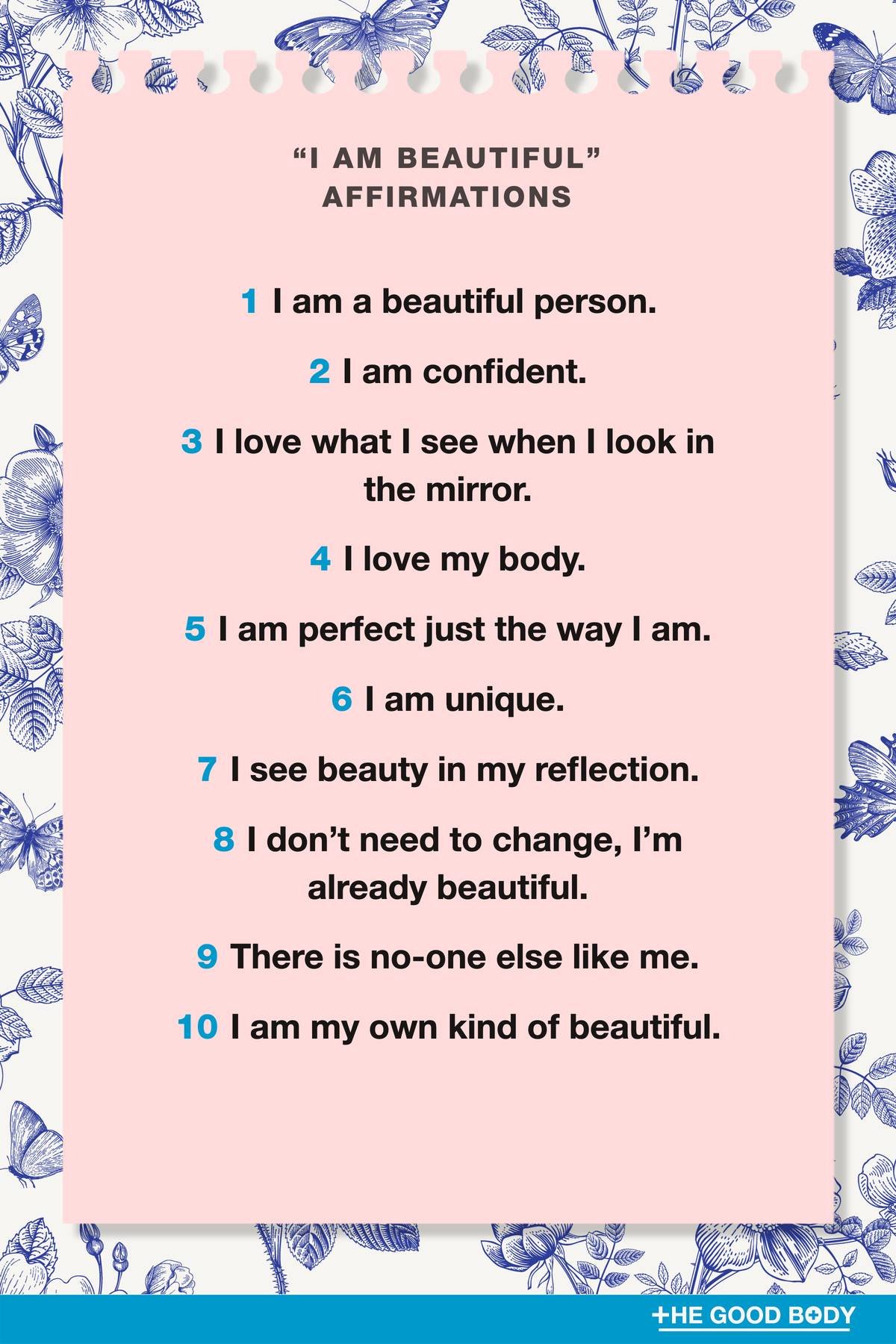
Positive Affirmations
Content about Positive affirmations (Auto-generated fallback due to API error).
Do you ever wish you and your partner could communicate better or feel more connected? It's a common desire, and practicing affirmations for couples might be just the tool you need to reignite that spark and build a more resilient relationship. It’s not about magically erasing problems, but rather about cultivating a mindset of appreciation and open communication.
At a glance:
- Learn how daily affirmations can reshape your relationship dynamics positively.
- Discover specific affirmations tailored to different relationship needs, from boosting intimacy to improving communication.
- Understand common pitfalls to avoid when using affirmations as a couple.
- Get step-by-step guidance on how to create personalized affirmations that resonate with both you and your partner.
- Find out how to tailor your affirmations to match your partner's love language for maximum impact.
The Science-Backed Power of Positive Words in Relationships
Affirmations aren't just wishful thinking; they're a practical way to leverage the brain's neuroplasticity. By consistently focusing on positive statements, you can strengthen neural pathways associated with positive emotions and weaken those linked to negativity. This means that over time, you'll naturally gravitate towards noticing the good in your partner and your relationship. It’s like mentally rehearsing positivity. For a deeper dive into the benefits of affirmations in general, check out Attract love with affirmations.
Think of it this way: your brain is like a garden. Affirmations are the seeds you plant. With consistent watering (repetition) and sunlight (belief), these seeds blossom into a healthier, more vibrant relationship garden.
Why Affirmations Work: Beyond Positive Thinking
Affirmations work by directly addressing negative thought patterns that can erode a relationship. They help couples actively counteract negativity bias, a natural human tendency to focus more on what's wrong than what's right.
The Benefits in Action:
- Stronger Emotional Bonds: Regularly expressing gratitude and appreciation deepens your connection and creates a nurturing environment. For example, acknowledging your partner's efforts around the house can lead to them feeling more valued and loved.
- Improved Communication: Focusing on positive intentions fosters more open and honest conversations, reducing misunderstandings and arguments. Starting a conversation with an affirmation about your commitment to understanding each other can set a positive tone.
- Increased Appreciation: Affirmations cultivate gratitude, making both partners feel seen, heard, and valued. Simple affirmations like "I appreciate your patience with me" can make a big difference.
- Deeper Intimacy: Consistent affirmations of love enhance emotional safety and vulnerability, leading to a more fulfilling physical connection. Feeling emotionally safe allows for greater vulnerability, fostering deeper intimacy.
- Positive Ripple Effects: When children witness their parents expressing love and appreciation through affirmations, they develop better emotional regulation skills and learn healthy relationship habits.
- Rewired Brain: Consistent practice strengthens neural pathways for noticing positive qualities, making it easier to appreciate your partner. Over time, this can create a more positive and resilient relationship.
Crafting Affirmations That Resonate: Making Them Personal
The most effective affirmations are the ones that truly resonate with you and your partner. Cookie-cutter statements might feel empty, so it's crucial to tailor them to your specific needs and experiences.
Here’s how to personalize your affirmations:
- Identify Areas for Growth: What aspects of your relationship could use a boost? Is it communication, intimacy, or simply appreciation?
- Focus on Specific Qualities: Instead of generic statements, pinpoint specific qualities or behaviors you admire in your partner.
- Use the "I" Statement Formula: Construct your affirmations using "I" statements to take ownership of your feelings and intentions.
- Make It Believable: Choose affirmations that feel authentic and possible, even if they require a bit of stretching.
- Keep It Concise: Shorter affirmations are easier to remember and repeat. Aim for a single, powerful sentence.
The Personalization Formula:
"I love/appreciate/am grateful for [specific quality or behavior] because [specific impact on me or my relationship]."
Example: "I appreciate how you always remember my coffee order because it shows you pay attention to small details that matter to me."
Affirmation Categories: Tailoring Them to Your Relationship Needs
Not all relationships need the same kind of affirmation. Consider these categories to address specific areas.
- Love and Appreciation: Focus on expressing love, admiration, and gratitude towards your partner.
- Communication and Understanding: Affirmations that promote open, honest, and respectful communication.
- Trust and Security: Reinforce feelings of trust, safety, and commitment within the relationship.
- Intimacy and Connection: Nurture emotional and physical intimacy, fostering a deeper bond.
- Growth and Support: Encourage personal and shared growth, celebrating each other's achievements.
Affirmations by Category:
| Category | Example Affirmation |
| :------------------------- | :----------------------------------------------------------------------------------------------------------------- |
| Love and Appreciation | "I love your kindness and generosity; it inspires me to be a better person." |
| Communication | "We communicate openly and honestly, even when it's difficult, because we value understanding each other." |
| Trust and Security | "I trust your judgment and feel safe knowing you always have my best interests at heart." |
| Intimacy and Connection | "Our physical connection is a beautiful expression of our deep love and emotional intimacy." |
| Growth and Support | "I support your dreams and aspirations, and I'm excited to see you achieve everything you're capable of." |
Affirmations Aligned with Love Languages: Speak Their Heart's Language
Understanding your partner's love language is crucial for tailoring affirmations that resonate deeply.
Here's how to align affirmations with each love language:
- Words of Affirmation: This is the most direct approach. Verbally express your love, appreciation, and admiration.
- Example: "I admire your dedication to our family; you work so hard, and I appreciate everything you do."
- Acts of Service: Acknowledge and appreciate the acts of service your partner provides.
- Example: "I noticed you took out the trash without me asking, and that really made my day easier. Thank you."
- Receiving Gifts: While not a direct affirmation, express gratitude for thoughtful gifts and the intention behind them.
- Example: "Thank you for the beautiful flowers. It shows you were thinking of me, and that means the world."
- Quality Time: Affirm the importance of spending quality time together and the connection it creates.
- Example: "I love our time together; even when we're just relaxing, I feel so connected to you."
- Physical Touch: Express your love and appreciation through physical touch and words.
- Example: "I love holding your hand; it makes me feel safe, secure, and loved."
Case Snippet:
Sarah realized her partner, Mark, primarily felt loved through "Acts of Service." Instead of just saying "I love you," she started acknowledging his help with tasks around the house: "Thanks for fixing the leaky faucet, honey. You saved me a call to the plumber!" This small affirmation, tailored to his love language, had a profound impact on their connection.
A Daily Ritual: When and How to Practice Affirmations Together
Consistency is key when it comes to affirmations. Incorporating them into your daily routine will yield the best results.
Here are some practical tips for practicing affirmations as a couple:
- Choose a Time: Designate a specific time each day, such as morning or evening, for your affirmation practice.
- Find a Quiet Space: Create a calm and comfortable environment where you can focus without distractions.
- Take Turns: Alternating who leads the affirmation can create a sense of equality and shared experience.
- Look Each Other in the Eye: Maintaining eye contact can deepen the connection and make the affirmations more impactful.
- Speak with Intention: Say the affirmations with sincerity and conviction, truly believing in the power of your words.
- Listen Actively: When your partner is speaking, listen attentively and show genuine interest in their words.
- Reflect Together: After practicing affirmations, take a few moments to discuss how you're feeling and what you're grateful for.
Morning Affirmations:
- "I'm grateful to wake up next to you every morning."
- "My love for you grows stronger each day."
- "We can handle anything life brings us, together."
- "Today, I'll show you love in ways that matter to you."
Evening Affirmations: - "Today reminded me why I fell in love with you."
- "I forgive any moments of frustration from today."
- "I feel safe and loved in your arms."
- "I'm excited about our future together."
Common Pitfalls to Dodge: Affirmation Faux Pas
While affirmations are powerful, it's essential to avoid common mistakes that can undermine their effectiveness.
- Vague Statements: Be specific in your appreciation to avoid sounding insincere. "I appreciate you" is less impactful than "I appreciate you taking the time to listen to my worries last night."
- Inconsistency: Maintain consistent practice, especially during challenging times, to reinforce positive patterns. Stopping affirmations when things get tough can undo the progress you've made.
- Using Affirmations to Avoid Issues: Address underlying relationship problems directly instead of using affirmations as a band-aid. Affirmations should complement healthy communication, not replace it.
- Forced Affirmations: Ensure both partners are receptive to the practice. Forcing someone to participate can create resentment.
- Comparison: Focus on your own growth and relationship, not comparing yourselves to others. Comparing your relationship to others can lead to dissatisfaction and unrealistic expectations.
- Giving Up Too Soon: Transformation takes time. Stay committed to the practice, even if you don't see immediate results. It often takes several weeks or months to experience significant changes.
Quick Answers: Common Questions About Affirmations for Couples
- Q: What if I don't believe the affirmation?
- A: Start with affirmations that feel somewhat believable and work your way up. The goal is to gradually shift your mindset, not force yourself to believe something you don't.
- Q: How long should we practice affirmations each day?
- A: Even 5-10 minutes can be effective. The key is consistency.
- Q: What if my partner is skeptical?
- A: Start by practicing affirmations yourself and sharing the positive impact they have on you. Eventually, your partner may become more open to trying them together.
- Q: Can affirmations fix deeper relationship issues?
- A: Affirmations can be a valuable tool, but they're not a substitute for addressing underlying issues through therapy or open communication.
- Q: Should we only use positive affirmations, or can we address negative aspects too?
- A: Focus primarily on positive affirmations, but you can also acknowledge and reframe negative thoughts. For example, instead of saying "We never argue," try "We are learning to communicate more effectively during disagreements."
Your Relationship, Reimagined
Affirmations for couples are a powerful tool for cultivating a more loving, supportive, and fulfilling partnership. By incorporating these practices into your daily routine, you can rewire your brain, strengthen your emotional bonds, and create a relationship that thrives on appreciation, understanding, and mutual respect. It’s about consciously choosing to focus on the good, building a stronger "us" one positive word at a time.